Get Rubber Roof Installation in Tuscaloosa, AL
Local contractors in Tuscaloosa, AL, can install rubber roofs to prevent leaks, repair damage, and handle projects like flat roofs on commercial buildings or home extensions.
Rubber roof installation is a practical choice for property owners in Tuscaloosa, AL seeking durable, long-lasting roofing solutions. Whether for commercial buildings, residential properties, or specialty structures, a properly installed rubber roof can provide reliable protection against the elements while requiring minimal maintenance over time. Exploring local contractors who specialize in rubber roofing can help property owners find the right fit for their specific needs, ensuring the project aligns with the unique conditions of the Tuscaloosa area.
Considering rubber roof installation involves evaluating various options available within the local market. Property owners are encouraged to compare services offered by nearby contractors, review their experience with similar projects, and understand the scope of work involved. Keeping informed about the different approaches and expertise available can support planning efforts and help identify service providers best suited to deliver quality results for a roofing project in Tuscaloosa, AL.
- Rubber Roof Replacement - needed when an existing rubber roof has significant damage or aging that cannot be repaired effectively.
- New Rubber Roof Installation - suitable for new construction projects or when building additions in neighborhoods like Northport or West Tuscaloosa.
- Rubber Roof Repair - required after severe weather or punctures that compromise the roof’s integrity.
- Rubber Roof Coating - applied to extend the lifespan of an existing rubber roof and improve its weather resistance.
- Emergency Rubber Roof Services - necessary when urgent leaks or damage threaten interior spaces, especially during storm seasons.
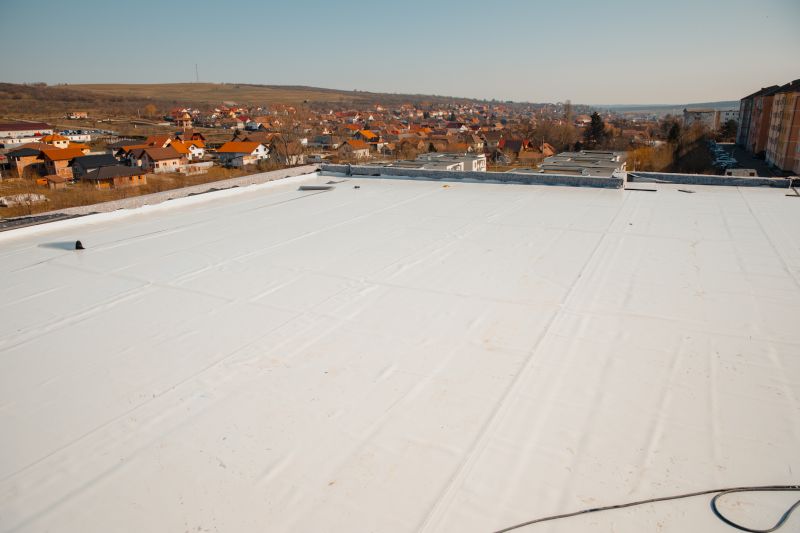
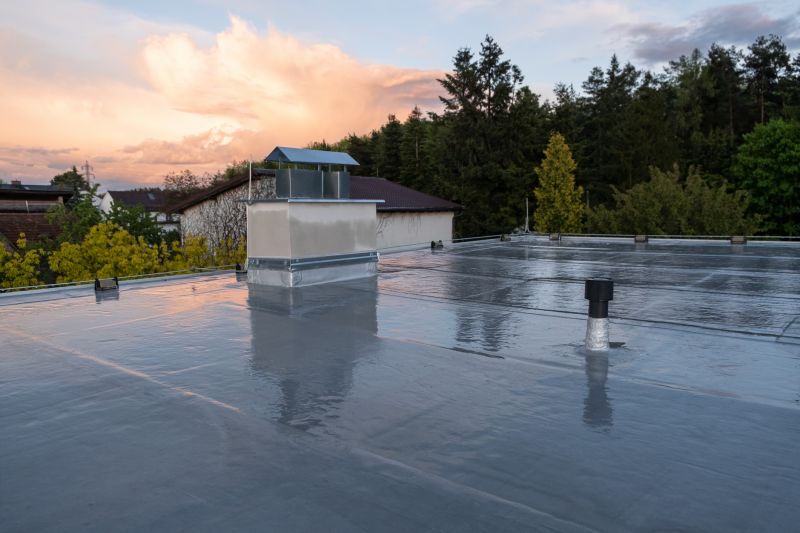
Rubber roof installation services involve placing a durable, waterproof membrane made from synthetic rubber materials, such as EPDM, over a building’s existing roof or on a new structure. This process typically includes preparing the roof surface, measuring and cutting the rubber membrane to fit the space, and securely attaching it to ensure a tight seal. The goal is to create a seamless, weather-resistant barrier that protects the underlying structure from water intrusion, leaks, and other environmental elements. Experienced service providers use specialized tools and techniques to ensure the rubber roofing is properly installed, providing long-lasting protection for many years.
One of the primary problems rubber roof installation helps address is roof leaks caused by aging, damage, or poor initial installation. Over time, roofs can develop cracks, tears, or worn spots that allow water to seep in, leading to interior damage and costly repairs. Rubber roofing offers a reliable solution by creating a flexible, resilient surface that can withstand temperature fluctuations and heavy weather conditions. Additionally, rubber roofs are resistant to UV rays, ozone, and extreme temperatures, making them suitable for areas with variable weather. This type of roofing can also help prevent mold growth and structural damage by maintaining a watertight barrier.
Rubber roof installation is commonly used on a variety of property types, including commercial buildings, warehouses, and flat-roofed structures. However, many homeowners with flat or low-slope roofs also choose rubber roofing for residential applications. It is especially popular for garages, porches, or additions where a durable, low-maintenance roof is desired. Properties in areas prone to heavy rain, hail, or temperature extremes often benefit from rubber roofing’s ability to handle tough weather conditions. Service providers can assess the specific needs of each property to determine if rubber roofing is the right solution for long-term protection and performance.
Homeowners considering rubber roof installation should look for local contractors experienced in this specialized work. These professionals can evaluate the existing roof condition, recommend appropriate materials, and ensure proper installation techniques are followed. Whether replacing an aging roof or installing a new one, working with knowledgeable service providers can help achieve a secure, weather-resistant roof that enhances the property’s value and longevity. Contacting local pros allows homeowners to compare options and find the right fit for their specific roofing needs.
The overview below groups typical Rubber Roof Installation projects into broad ranges so you can see how smaller, mid-sized, and larger jobs often compare in Tuscaloosa, AL.
In many markets, a large share of routine jobs stays in the lower and middle ranges, while only a smaller percentage of projects moves into the highest bands when the work is more complex or site conditions are harder than average.
Smaller Repairs - Typical costs for minor rubber roof repairs in Tuscaloosa range from $250 to $600. Many routine patching and sealing jobs fall within this band, depending on the extent of damage and roof size.
Partial Roof Replacement - Replacing a section of a rubber roof usually costs between $1,000 and $3,000. Larger, more complex partial replacements can push costs higher, but most projects stay within this range.
Full Roof Replacement - Complete rubber roof installations for residential or small commercial buildings often range from $5,000 to $12,000. Many full replacements land in the middle of this spectrum, with larger jobs reaching higher costs.
Complex or Large-Scale Projects - Extensive or highly customized rubber roof installations can exceed $15,000, though these are less common. Local contractors can provide estimates tailored to specific project size and scope in Tuscaloosa area.
Actual totals will depend on details like access to the work area, the scope of the project, and the materials selected, so use these as general starting points rather than exact figures.
Flat roof replacement - local contractors skilled in installing durable roofing systems can apply similar techniques and materials used in rubber roof installations for flat roof projects.
Commercial roofing services - professionals experienced in commercial roof systems often work with membrane materials like rubber, ensuring proper planning and installation.
Roof waterproofing projects - waterproofing involves similar planning, surface preparation, and sealing methods as rubber roofing to protect structures from water intrusion.
Roof membrane repairs - repairing or patching existing membrane roofs requires knowledge of rubber roofing materials and specialized tools used in installation.
Garage roof coatings - applying protective coatings to garage roofs shares techniques with rubber roof applications, focusing on weatherproofing and durability.
Building envelope insulation - insulating and sealing building exteriors involves planning and installation skills comparable to those used in rubber roof systems.
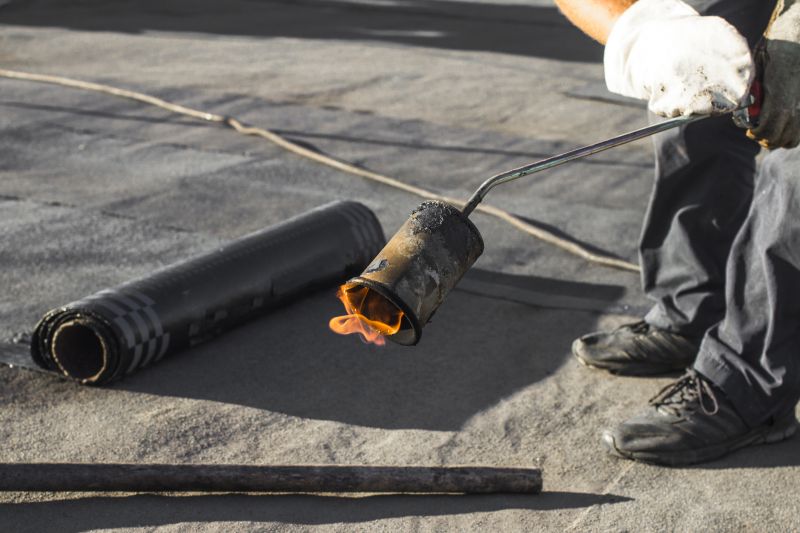
When evaluating contractors for rubber roof installation, it’s important to consider their experience with similar projects. Homeowners should seek out service providers who have a proven track record of working on rubber roofing systems in residential settings. Asking for examples of past work or references from previous clients can provide insight into their familiarity with the unique requirements of rubber roofing, ensuring the selected contractor has the necessary skills to handle the specific challenges of the job.
Clear communication and well-defined expectations are key components of a successful roofing project. Homeowners should look for local contractors who are willing to provide detailed written proposals that outline the scope of work, materials to be used, and any other relevant details. This helps prevent misunderstandings and sets a foundation for a smooth process. Good communication also involves responsiveness and openness to questions, making it easier to address concerns early and ensure everyone is on the same page.
Reputable references and the ability to maintain ongoing dialogue are essential when comparing local service providers. Homeowners can ask potential contractors for references from recent clients and follow up to learn about their experiences. Additionally, choosing a provider known for clear, consistent communication can help ensure the project proceeds efficiently and meets expectations. Remember, these local pros are the ones who will handle the work, so taking the time to verify their experience, clarity in expectations, and communication practices can make a significant difference in the success of a rubber roof installation.
Property owners in Tuscaloosa, AL use Rubber Roof Installation services for practical projects around their homes and businesses. This guide focuses on everyday jobs and straightforward project options.
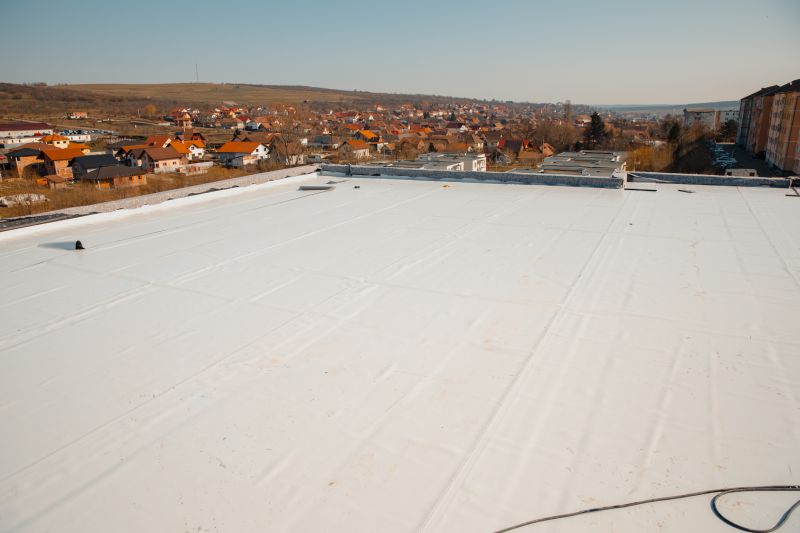
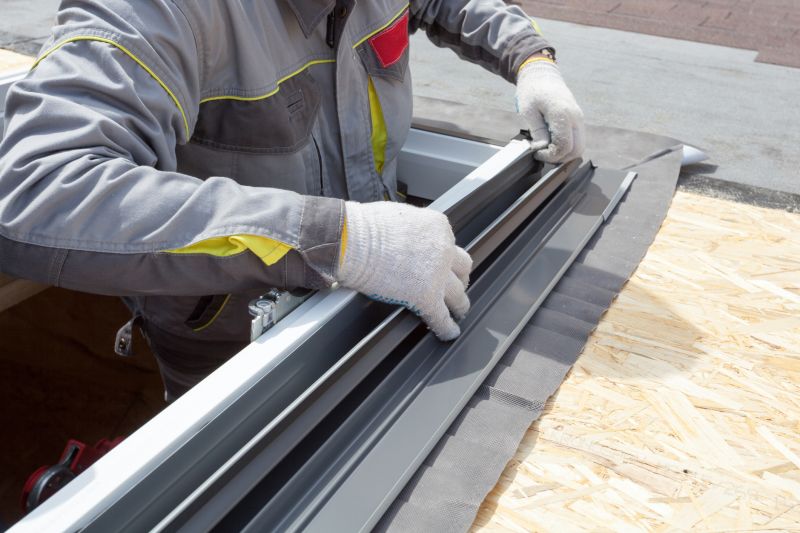
Rubber roof installation services are often sought after by property owners in Tuscaloosa, AL, who need a durable and reliable roofing solution. Common reasons include replacing an aging or damaged roof that no longer provides adequate protection or addressing leaks that have developed over time. Homeowners and business owners may also be interested in upgrading their current roofing system to enhance energy efficiency or improve the overall appearance of their property.
Local contractors in Tuscaloosa can assist with various project situations, such as installing a new rubber roof on a commercial building or adding a protective layer to a residential property. Property owners might look for these services after experiencing storm damage or simply want a low-maintenance, long-lasting roofing option. Connecting with experienced service providers can help ensure the project is completed properly, providing peace of mind for those seeking to safeguard their property.
What are the benefits of installing a rubber roof? Rubber roofs are known for durability, flexibility, and resistance to weather elements, making them a popular choice for long-lasting roofing solutions in Tuscaloosa and nearby areas.
How is a rubber roof installed on a residential property? Local contractors typically prepare the existing roof surface, then lay down a rubber membrane using specialized adhesives or mechanical fasteners, ensuring a secure and waterproof seal.
What maintenance is required for a rubber roof? Regular inspections for tears, punctures, or debris buildup are recommended, along with prompt repairs to maintain the roof’s integrity and extend its lifespan.
Are there different types of rubber roofing materials available? Yes, common options include EPDM (ethylene propylene diene monomer) and TPO (thermoplastic olefin), each offering specific benefits suited to various roofing needs.
How do I find local contractors who install rubber roofs? This website can connect homeowners in Tuscaloosa and nearby areas with experienced service providers specializing in rubber roof installation and repair services.
Protecting a flat roof from leaks - local contractors can install a durable rubber roof to prevent water intrusion during heavy rains.
Upgrading an aging roof - property owners can replace worn-out roofing to improve weather resistance and extend roof lifespan.
Preparing for seasonal storms - local service providers can ensure the roof is properly sealed and reinforced before severe weather hits.
Improving energy efficiency - a rubber roof can help maintain indoor temperature by providing a reliable, weatherproof barrier.
If you are thinking about Rubber Roof Installation for a property in Tuscaloosa, AL, this guide is meant to help you understand the work, the typical project types, and how different options might fit your plans.
When you are ready, you can use the quote form on this page to share a few details about your project. From there, local pros can review the basics and respond with options that match what you have in mind.